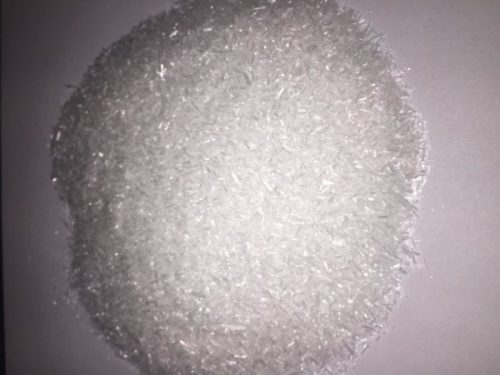
Mexican Coke: The Role of Cartels in the Cocaine Economy.Cocaine remains one of the most infamous and widely trafficked illicit drugs worldwide. Among its many variants, Mexican Coke—a street name often given to high-purity cocaine powder smuggled or produced by Mexican cartels—has gained a notorious reputation. Understanding Mexican Coke requires a deep dive into the complex and often violent world of drug cartels, their operations, and how they influence the cocaine economy from production to distribution.
In this blog post, we will explore the role Mexican drug cartels play in the cocaine trade, how they impact global supply chains, and the socio-economic consequences of their activities. We will also include an important internal link to Cocaine powder for further reading on cocaine in powder form.
What Is Mexican Coke?
Mexican Coke generally refers to cocaine powder that is either produced or trafficked by Mexican drug cartels. While cocaine is primarily synthesized in South American countries such as Colombia, Peru, and Bolivia, Mexican cartels have long been involved in its transportation, distribution, and even local refining.
. However, the term also symbolizes the broader role Mexico plays in the global cocaine economy.
The Origins of Mexican Cartels in the Cocaine Trade
Historically, Colombian cartels dominated cocaine production and trafficking in the late 20th century. However, as U.S. law enforcement and international efforts cracked down on Colombian organizations, Mexican cartels began to rise in prominence by taking over key transit routes.
Key Milestones:
- 1980s-1990s: Mexican cartels primarily acted as middlemen, transporting cocaine from Colombia to the U.S. border.
- 2000s: Mexican groups started refining cocaine locally, increasing purity and profits.
- Present Day: Mexican cartels control most of the cocaine trafficking routes into the U.S., overseeing production, distribution, and even involvement in precursor chemical smuggling.
Major Mexican Cartels Involved in the Cocaine Economy
Several major cartels dominate the cocaine trade from Mexico, each with its own territories, strategies, and influence:
- Sinaloa Cartel
The Sinaloa Cartel is arguably the most powerful and influential cartel in Mexico, with a vast network that stretches from production zones in South America to consumer markets in North America and beyond. Known for sophisticated smuggling methods, they control significant amounts of cocaine powder entering the U.S.
- Jalisco New Generation Cartel (CJNG)
CJNG is a rising power and has rapidly expanded its influence. It’s known for its violent tactics and for challenging the dominance of older cartels. CJNG also traffics large quantities of cocaine powder and is involved in local refining.
- Gulf Cartel & Los Zetas
Though their power has diminished, these groups historically controlled key smuggling corridors and still have pockets of influence in cocaine trafficking.
How Mexican Cartels Control the Cocaine Supply Chain
Step 1: Importing Cocaine Powder
They employ various methods such as hidden compartments in vehicles, tunnels, drones, and even submarines to move cocaine into Mexico.
Step 2: Refining and Purification
To increase profits, cartels sometimes refine lower-purity cocaine powder into higher-purity Mexican Coke. This involves chemical processing that requires precursor chemicals and expert knowledge. The process not only improves quality but also increases volume by removing impurities.
Step 3: Distribution
Once refined, Mexican Coke is distributed throughout the U.S. and other markets. Cartels control a sophisticated network of transportation and street-level dealers to move the cocaine powder efficiently.
Step 4: Money Laundering
The profits from cocaine trafficking are immense, and cartels use complex laundering schemes involving cash businesses, real estate, and international banking systems to clean their money.
The Impact of Cartel-Controlled Mexican Coke on the Drug Market
- Increased Availability
Mexican cartels’ control of smuggling routes means cocaine powder, particularly Mexican Coke, is widely available in major U.S. cities and beyond. Their ability to refine and distribute cocaine locally allows them to flood the market.
- Purity and Potency
Mexican Coke is often noted for its high purity compared to cocaine powder trafficked by other means. This increases its appeal but also raises the risk of overdose among users.
- Violence and Instability
The lucrative cocaine economy fuels violent conflicts among competing cartels. This violence affects Mexican communities and spills over into the U.S., creating broader social and security challenges.
- Economic Dependence
Some regions in Mexico rely economically on the cocaine trade, whether through cartel jobs or related industries. This complicates efforts to combat trafficking and build alternative economies.
The Social and Legal Consequences
Impact on Communities
Mexican Coke’s infiltration into the drug market contributes to addiction and social problems in consumer countries. Increased purity can lead to more severe health outcomes and overdose deaths.
Law Enforcement Challenges
The vast resources and influence of Mexican cartels make them extremely difficult to dismantle. Cross-border cooperation between U.S. and Mexican authorities is essential but complicated by corruption and political factors.
How to Recognize Mexican Coke on the Market
Mexican Coke, as a form of Cocaine powder, often appears as a fine white crystalline powder with minimal adulterants. However, adulteration with dangerous substances can occur, increasing risks.
The Complex Role of Mexican Cartels in the Cocaine Economy
Mexican cartels are central players in the global cocaine market, turning Mexican Coke into one of the most pervasive and potent forms of cocaine powder. Their role in refining, trafficking, and distributing cocaine not only fuels addiction but also perpetuates cycles of violence and instability.