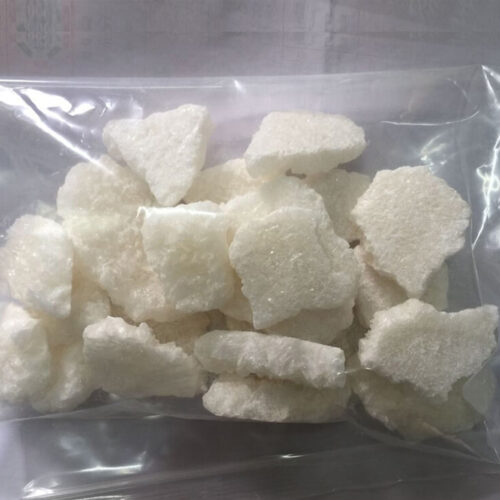
The Devastating Impact of Crystal Meth on Health and Communities.Crystal methamphetamine, often simply called crystal meth, is one of the most destructive illicit drugs impacting individuals and communities worldwide. Its potent stimulant properties, combined with a high potential for addiction, make it a major public health crisis. Beyond the personal toll it takes on users, crystal meth has wide-reaching social consequences, destabilizing families, neighborhoods, and entire communities.
In this article, we will examine the devastating effects of crystal meth on physical and mental health, the social fabric, economic stability, and community safety. We will also briefly touch on how its impact compares with other powerful stimulants such as cocaine, which pose their own unique challenges.
- Physical Health Consequences of Crystal Meth Use
Crystal meth’s effects on the body are severe and can cause both immediate and long-term health problems.
- Cardiovascular Damage
- Crystal meth dramatically increases heart rate and blood pressure, putting immense strain on the cardiovascular system.
- Long-term use increases the risk of heart attacks, strokes, and irregular heart rhythms (arrhythmias).
- Users often suffer from weakened heart muscles, leading to chronic heart conditions.
- Neurological Effects
- Methamphetamine is neurotoxic, damaging dopamine and serotonin neurons in the brain.
- This damage can cause memory loss, impaired cognitive function, and motor skill difficulties.
- Chronic users may experience persistent mood disorders, psychosis, and paranoia.
Dental Decay (“Meth Mouth”)
- One of the hallmark signs of prolonged crystal meth use is “meth mouth,” characterized by severe tooth decay and gum disease.
- Dry mouth, poor oral hygiene, and cravings for sugary foods exacerbate dental deterioration.
Skin and Appearance
- Users often develop skin sores and infections from compulsive picking, poor hygiene, or exposure to harmful chemicals.
- Rapid weight loss and a gaunt appearance are common, further signaling physical decline.
Mental Health Impact
Crystal meth’s intense stimulant effects lead to significant mental health challenges:
- Anxiety and paranoia: Users often experience heightened anxiety and intense paranoia, which can escalate to full-blown psychosis.
- Depression: Following the drug’s effects wearing off, severe depression and suicidal thoughts are common.
- Addiction and dependency: The chemical changes in the brain lead to compulsive drug-seeking behavior and a chronic relapsing condition.
Social and Family Consequences
The personal impact of crystal meth addiction ripples outward, affecting relationships and families:
- Family breakdown: Addiction often leads to neglect, abuse, and estrangement within families.
- Child welfare concerns: Children in households with meth use are at risk of neglect, trauma, and developmental issues.
- Domestic violence: Increased aggression and irritability associated with meth use contribute to higher rates of domestic violence.
Economic Costs to Individuals and Society
- Loss of productivity: Crystal meth addiction leads to job loss, unemployment, and decreased work performance.
- Healthcare burden: Emergency care, treatment programs, and long-term health consequences strain healthcare systems.
- Criminal justice costs: Policing, incarceration, and legal proceedings related to meth contribute to significant public expenditure.
Impact on Communities
Crystal meth affects entire communities, causing widespread harm:
- Increased Crime Rates
- Methamphetamine use is linked to increases in violent crime, property crime, and drug trafficking.
- Users may commit crimes to fund their addiction or act aggressively under the influence.
- Public Safety Risks
- Meth labs pose dangers due to toxic chemicals and risk of explosions, endangering neighbors and first responders.
- Public intoxication and impaired judgment can lead to accidents and violence.
- Community Degradation
- Neighborhoods affected by meth often experience property neglect, homelessness, and a decline in quality of life.
- Businesses may close, and residents may move away, leading to economic decline.
Comparing Crystal Meth and Cocaine: Different Stimulants, Similar Destruction
While both crystal meth and cocaine are powerful stimulants, their impacts differ in important ways:
- Duration: Crystal meth effects last much longer (up to 12+ hours) than cocaine (about 30 minutes to 1 hour), leading to longer periods of intoxication and binge use.
- Addiction potential: Meth is generally considered more addictive due to its neurotoxic effects and longer half-life.
- Health consequences: Both drugs pose severe cardiovascular risks, but meth’s neurotoxicity and physical deterioration tend to be more severe.
Despite these differences, both drugs devastate users and communities and demand targeted public health responses.
Treatment and Harm Reduction
Addressing the impact of crystal meth requires comprehensive strategies:
- Access to treatment: Behavioral therapies and support groups are critical for recovery.
- Harm reduction: Education on safer use, overdose prevention, and community outreach can reduce harm.
- Community programs: Investments in social services, housing, and employment opportunities help rebuild communities.
The impact of crystal meth extends far beyond the individual user, inflicting profound damage on physical and mental health, families, and entire communities. The drug’s highly addictive nature and destructive consequences make it a formidable challenge for public health and safety.
By understanding the many ways crystal meth harms health and society, we can better support affected individuals and work towards healthier, safer communities. While stimulant drugs like cocaine also contribute to these problems, the unique properties of crystal meth require specific attention and tailored interventions.