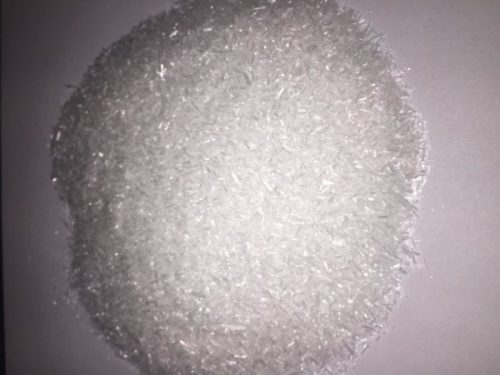
Crack Cocaine: Addiction, Effects & Dangers . Crack cocaine is a highly addictive and potent form of cocaine that has caused significant social and health issues worldwide. Known for its rapid onset of effects and intense high, crack cocaine poses severe risks to both physical and mental health. This article outlines the critical points regarding crack cocaine addiction, effects, and dangers to increase awareness and promote safer choices.
Key Points About Crack Cocaine
- What Is Crack Cocaine?
- Crack cocaine is the crystallized, smokable form of cocaine.
- It is made by processing powdered cocaine with baking soda or ammonia and water, then heating it until it forms hard rocks or crystals.
- Because it is smoked, crack cocaine delivers an immediate and intense high.
- How Crack Cocaine Works
- Smoking crack allows the drug to reach the brain rapidly through the lungs, producing effects within seconds.
- This rapid delivery increases the intensity and immediacy of the drug’s euphoric effects but also raises the risk of addiction.
- Effects of Crack Cocaine
- Intense euphoria and increased energy
- Heightened alertness and confidence
- Decreased appetite and fatigue
- Increased heart rate, blood pressure, and body temperature
- Short duration of effects, leading to repeated use
- Addiction Potential
- Crack cocaine has one of the highest addiction potentials among illicit drugs due to its rapid onset and intense effects.
- The intense but short-lived high causes users to binge, often using repeatedly to maintain the high.
- Addiction develops quickly, affecting brain chemistry and behavior.
- Physical and Mental Dangers
- Increased risk of heart attack, stroke, and respiratory problems
- Severe dental decay (“crack mouth”)
- Anxiety, paranoia, and psychosis
- Social consequences such as job loss, legal issues, and relationship problems
- Treatment and Recovery
- Addiction treatment typically includes behavioral therapy and counseling.
- Medical support may be necessary for withdrawal symptoms and co-occurring mental health issues.
- Long-term recovery requires ongoing support and lifestyle changes.
- Legal Status and Risks
- Crack cocaine is illegal in most countries and classified as a highly controlled substance.
- Possession, distribution, or manufacture can lead to severe legal penalties.
Conclusion
Crack cocaine’s addictive nature and health dangers make it one of the most harmful illicit substances. Understanding its effects and risks is crucial for prevention and informed decision-making. If you or someone you know is struggling with crack cocaine addiction, seek professional help immediately.
For those looking to learn more or explore related products, visit: Crack kokain.