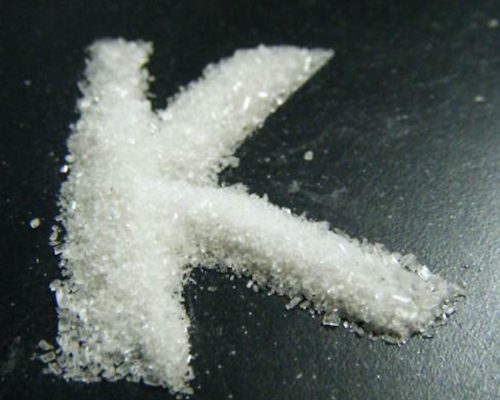
Understanding Oxycodone: Uses, Risks, and Safe Pain Management is a powerful prescription opioid used to treat moderate to severe pain. While it can be highly effective for pain relief, it also carries significant risks, including addiction, dependence, and overdose. This blog post provides an in-depth look at oxycodone—how it works, its medical uses, potential side effects, and how to use it safely under a doctor’s supervision.
What Is Oxycodone?
Oxycodone is an opioid analgesic (painkiller) that works by binding to opioid receptors in the brain and spinal cord, reducing the perception of pain. It is available under various brand names, including:
OxyContin (extended-release)
Roxicodone (immediate-release)
Percocet (oxycodone + acetaminophen)
Oxaydo (abuse-deterrent formulation)
Because of its high potential for misuse and addiction, oxycodone is classified as a Schedule II controlled substance in the U.S., meaning it requires a prescription and is closely monitored.
Medical Uses of Oxycodone
Doctors prescribe oxycodone for:
Post-surgical pain
Severe injuries
Chronic pain conditions (e.g., cancer-related pain)
Pain management when other medications fail
It is not meant for mild or occasional pain and should only be used under strict medical supervision.
Side Effects of Oxycodone
Like all opioids, oxycodone can cause side effects, ranging from mild to severe:
Common Side Effects
✔ Nausea & vomiting
✔ Drowsiness & dizziness
✔ Constipation
✔ Dry mouth
✔ Itching or sweating
Serious Risks
⚠ Respiratory depression (slow or shallow breathing)
⚠ Addiction & dependence (even with short-term use)
⚠ Overdose (can be fatal, especially when mixed with alcohol or benzodiazepines)
⚠ Withdrawal symptoms (if stopped suddenly after prolonged use)
Dangers of Oxycodone Misuse
The opioid crisis has been fueled in part by the misuse of prescription drugs like oxycodone. Risks of non-medical use include:
Illegal online purchases (often counterfeit pills laced with fentanyl, a deadly synthetic opioid)
Crushing/snorting/injecting pills (increases overdose risk)
Tolerance development (needing higher doses for the same effect)
Legal consequences (possessing oxycodone without a prescription is a felony)
Signs of Oxycodone Addiction
Taking higher doses than prescribed
“Doctor shopping” to get multiple prescriptions
Withdrawal symptoms when not using (anxiety, sweating, nausea)
Neglecting responsibilities due to drug use
Safe Use of Oxycodone
If prescribed oxycodone, follow these safety guidelines:
✅ Take exactly as directed—never increase dosage without consulting your doctor.
✅ Avoid alcohol & other depressants (increases overdose risk).
✅ Store securely to prevent misuse by others.
✅ Dispose of unused pills properly (many pharmacies take back unused opioids).
✅ Monitor for side effects and report any concerns to your doctor.
Alternatives to Oxycodone
For those concerned about opioid risks, alternatives include:
Non-opioid pain relievers (NSAIDs like ibuprofen, acetaminophen)
Physical therapy & acupuncture
Non-drug treatments (TENS units, meditation, CBD for pain)
Other prescription options (e.g., tramadol, gabapentin—though these also have risks)
Getting Help for Opioid Dependence
If you or someone you know is struggling with oxycodone misuse, seek help from:
A doctor or addiction specialist
SAMHSA’s National Helpline (1-800-662-HELP)
Local rehab centers & support groups (NA, SMART Recovery)
Conclusion
Oxycodone can be an effective pain reliever when used correctly and under medical supervision, but its risks are serious. Never buy oxycodone illegally, and always follow your doctor’s instructions to minimize harm. If you’re concerned about opioid dependence, explore safer pain management options and seek professional help.
Have questions about pain management or opioid safety? Consult a healthcare provider for personalized advice.
Disclaimer: This blog post is for informational purposes only and does not constitute medical advice. Always consult a licensed healthcare professional before taking any medication.
Would you like additional details on pain management alternatives or how to recognize opioid addiction? Let me know how I can help responsibly!
Understanding Oxycodone: Uses, Risks, and Safe Pain Management
Understanding Oxycodones: Uses, Risks, and Safe Pain Management
Understanding Oxycodones: Uses, Risks, and Safe Pain Management