Potassium Cyanide: Danger & Toxicity.Potassium cyanide, known chemically as KCN and referred to in German as Kaliumzyanid, is a highly toxic chemical compound widely known for its extreme lethality. Despite its notorious reputation, potassium cyanide also has specific industrial uses that underscore the importance of understanding both its dangers and controlled applications.
This article explores the toxic nature of potassium cyanide, its mechanisms of action, safety concerns, and the limited advantages it holds in industry. We also cover essential safety precautions and responsible handling.
What Is Potassium Cyanide?
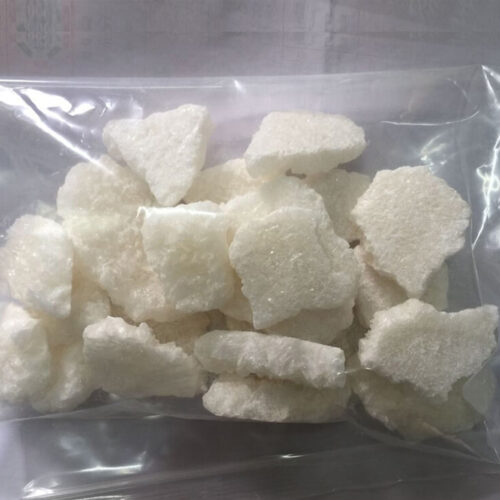
Potassium cyanide (Kaliumzyanid) is a colorless crystalline salt that contains the cyanide ion (CN⁻). It is highly soluble in water and releases hydrogen cyanide gas upon contact with acids, which is a deadly poison.
The Toxicity and Dangers of Potassium Cyanide
How Potassium Cyanide Works
Potassium cyanide’s toxicity arises from its ability to inhibit cellular respiration. It binds to cytochrome c oxidase in mitochondria, preventing cells from using oxygen to produce energy. This results in rapid cell death and organ failure, especially affecting the brain and heart.
Symptoms of Cyanide Poisoning
Exposure to potassium cyanide or hydrogen cyanide gas can cause symptoms such as:
- Rapid breathing and difficulty breathing
- Headache and dizziness
- Nausea and vomiting
- Confusion and seizures
- Loss of consciousness
- Cardiac arrest and death if untreated quickly
Exposure Risks
Potassium cyanide is dangerous through ingestion, inhalation, and skin contact. Even small amounts can be fatal.
Advantages and Controlled Uses of Potassium Cyanide
Despite its extreme toxicity, potassium cyanide has controlled applications, particularly in industry:
- Gold and Silver Mining: Used in cyanidation to extract precious metals from ore.
- Organic Synthesis: Serves as a reagent in chemical manufacturing.
- Electroplating: Utilized for metal finishing and plating processes.
- Laboratory Use: Employed in certain specialized chemical analyses.
Because of these uses, strict regulation and handling protocols are essential.
Safety Precautions When Handling Potassium Cyanide
- Protective Equipment: Always wear gloves, goggles, and protective clothing.
- Proper Ventilation: Work in well-ventilated areas or fume hoods.
- Storage: Store in secure, labeled containers away from acids and incompatible substances.
- Emergency Procedures: Be prepared with cyanide antidotes and emergency response plans.
- Legal Compliance: Follow all local regulations regarding possession, transport, and disposal.
Where to Obtain Potassium Cyanide (Kaliumzyanid)
If you require potassium cyanide for legitimate industrial or research purposes, purchasing from verified sources ensures product quality and adherence to safety standards. You can find authentic Kaliumzyanid available with guaranteed purity and professional handling.
Summary
Potassium cyanide (Kaliumzyanid) is an extremely hazardous chemical with deadly toxicity. Its advantages lie in controlled industrial applications where it must be handled with the utmost care. Understanding its dangers, symptoms of poisoning, and safety measures is critical for anyone who works with or encounters this substance.
Always prioritize safety, use proper equipment, and source potassium cyanide only from reputable suppliers like Kaliumzyanid providers.